
Tree Removal
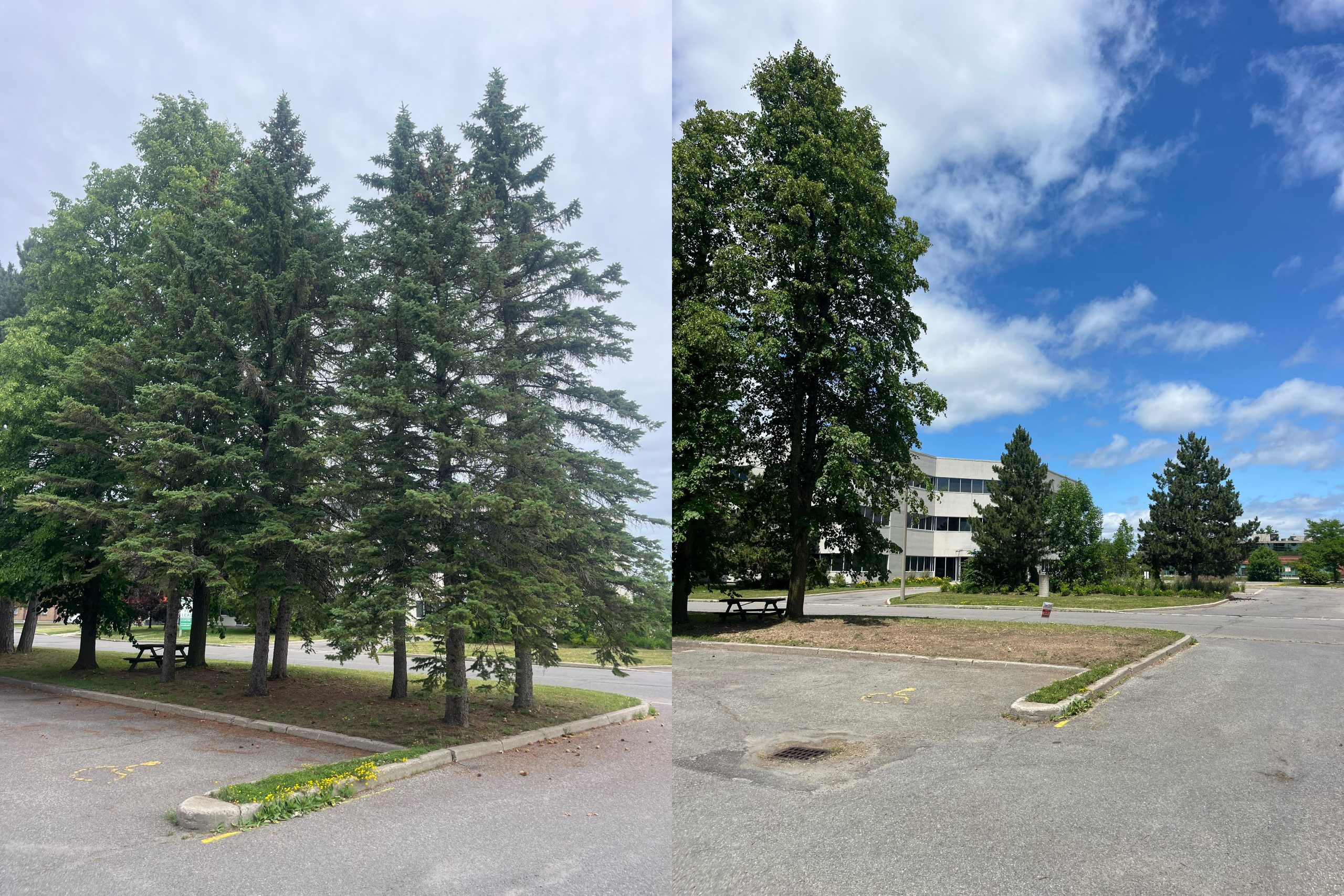
Our Tree Removal Process
Free Quote & Consultation
We visit your property, assess the tree, and discuss your needs. You’ll get a clear, no-obligation quote, a breakdown of the safest removal options, and we identify any property protection measures needed.Planning & Scheduling
Once approved, we plan the job with you—choosing the safest approach and scheduling a time that works best.Permit applications
If a permit is required, we’ll guide you through the process or handle it for you to ensure everything’s compliant.Tree Removal
We remove the tree safely and in stages using climbing and rigging technique’s . Each piece is lowered with control to avoid any damage to your home, yard, or surrounding structures.Clean-Up & Wood Removal
We remove all debris and leave your property clean. Wood can be stacked, hauled away, or turned into mulch—whatever you prefer.Stump Grinding (Optional)
If requested, we’ll grind the stump below ground level for a clean finish, ready for replanting or landscaping.Final Check-In
We walk the site with you to make sure you’re happy with the job. No detail is overlooked before we pack up.
Why might a tree need to be removed
-
Dead or Dying Tree – A dead tree is a serious hazard. Over time, it weakens and can fall without warning, posing a risk to people, buildings, or vehicles.
-
Structural Damage or Decay – Trees with large cracks, rot, or hollow trunks can fail unexpectedly, especially during storms or high winds.
-
Storm Damage – Trees that have been damaged by storms may be unstable or leaning dangerously and may need to be removed before they fail completely.
-
Root or Foundation Issues – Some trees grow too close to homes or structures, with roots that can damage foundations, driveways, or underground utilities.
-
Overcrowding or Poor Placement – Trees planted too close together or in the wrong location (too close to buildings, power lines, etc.) may need to be removed to allow healthy growth of others.
-
Pest or Disease Infestation – Infected or infested trees can spread problems to nearby healthy trees, making removal the best option to protect your landscape.
-
Construction or Landscaping Plans – Sometimes trees need to be removed to make way for renovations, additions, or new landscaping projects.
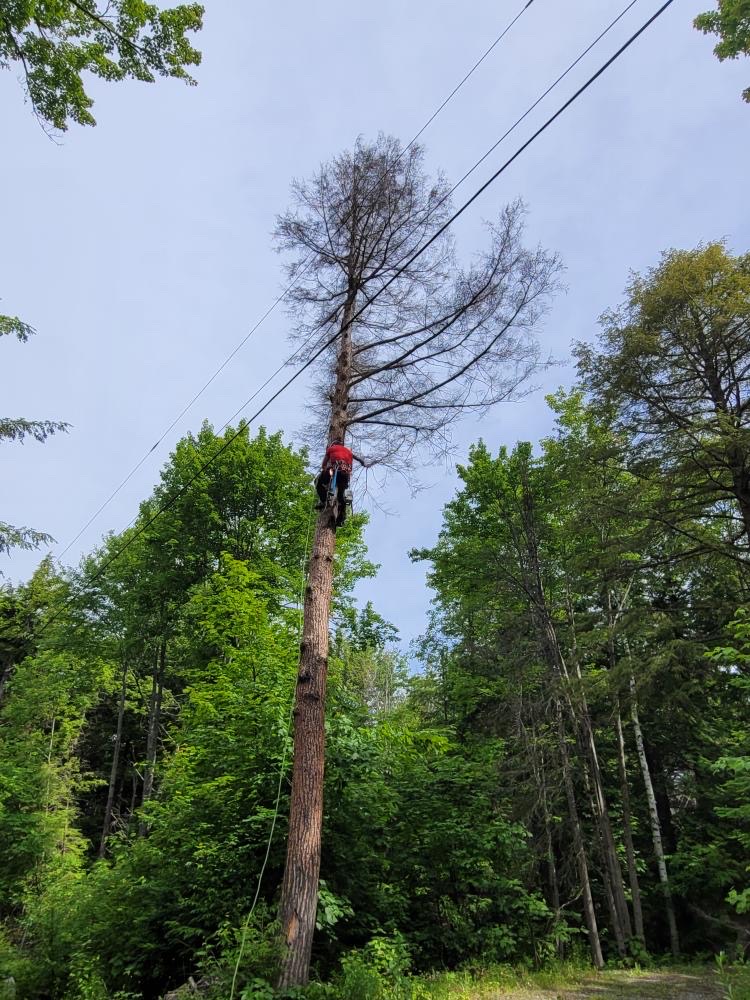
Signs Your Trees is on the Decline
- Cracks or Splits in the Trunk
Deep cracks, vertical splits, or seams in the trunk can signal internal weakness or decay. - Fungus or Mushroom Growth
Fungal growth around the base or on the trunk often indicates internal rot or a compromised root system. - Leaf Problems
Discolored, wilted, spotted, or unusually small leaves can be signs of disease, pest infestation, or root issues. - Sparse Canopy or Bare Patches
If a tree that used to be full is now thin or patchy, especially during the growing season, it could be in decline. - Leaning or Shifting Position
A tree that has started to lean or appears unstable may have root failure, making it prone to falling. - Peeling or Missing Bark
Bark that’s falling off or missing in large sections could mean the tree is dead or stressed. - Unusual Sap Flow or Holes in the Trunk
Excessive sap, oozing, or boreholes may be signs of pests like beetles or other invasive insects.
Why Choose Us
-When you call MaxTrees, you’re talking to Max—the guy who shows up, climbs the tree, and gets the job done. He leads every crew and stands behind every cut. No middlemen, no surprises. Max isn’t just the name on the truck—he’s the one in the tree. From your first quote to the final sweep-up, he’s hands-on every step of the way. You get a straight answer, a solid plan, and a skilled climber leading the crew. That’s how we do it at MaxTrees—honest work, direct communication, and a team you can trust.